The Work Isn't Finished
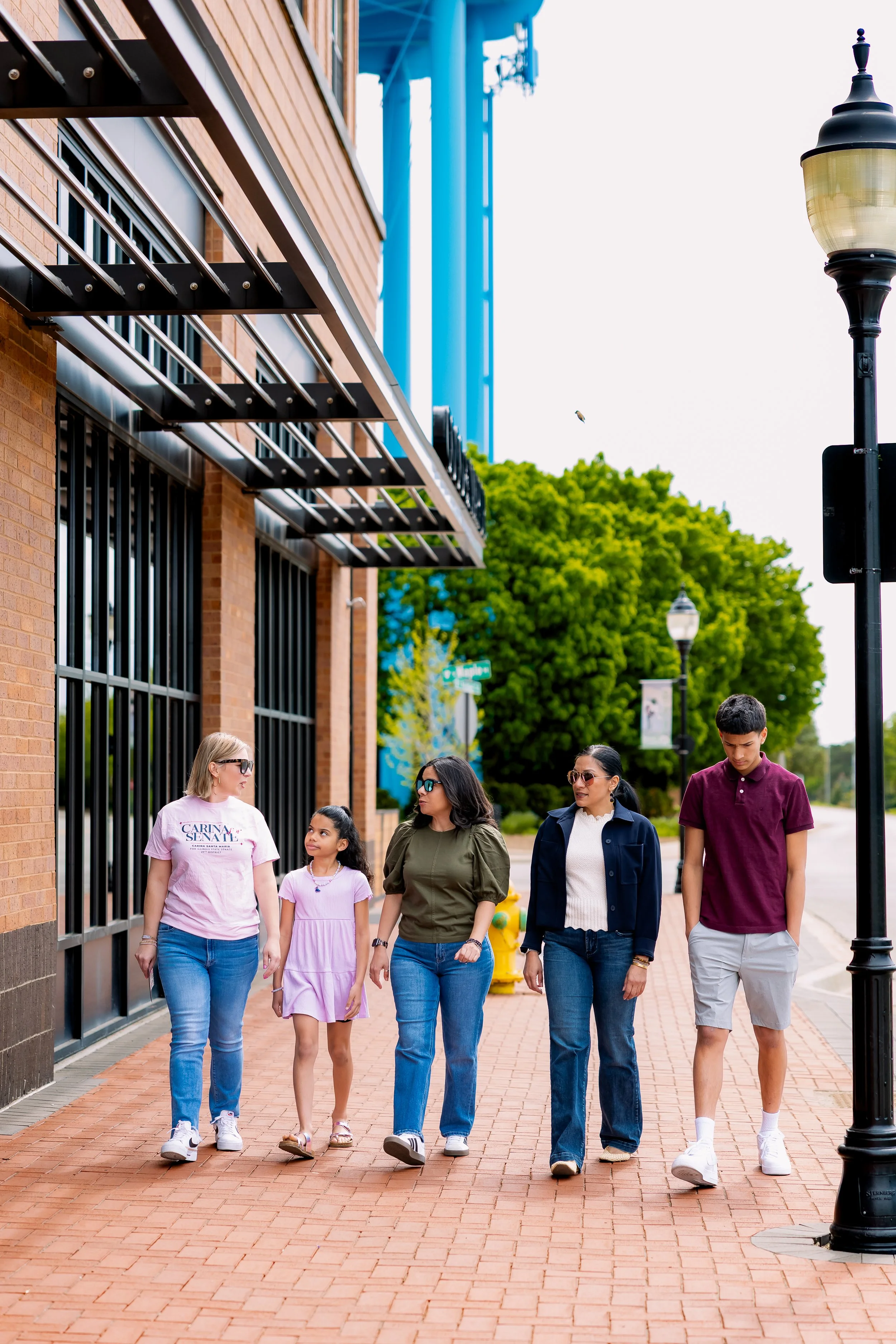
As a first-generation American, I grew up with a deep appreciation for democracy.
My father came to this country after World War II as a displaced child. America represented something that wasn't guaranteed where he came from: the opportunity to build a life, have a voice, and help shape the future.
Maybe that's why I've never thought of voting as something we simply inherit. It's something we have to continue earning, protecting, and using.
That's what I think about every Women's Equality Day.
The ratification of the 19th Amendment was one of the most important milestones in our country's history - but it wasn't the finish line.
For many women, including Black women, Native women, and Asian American women, the promise of equal access to the ballot took decades longer to become a reality. Even after women won the right to vote, equal opportunity didn't automatically follow.
History reminds us that progress doesn't happen all at once. It happens because people continue showing up.
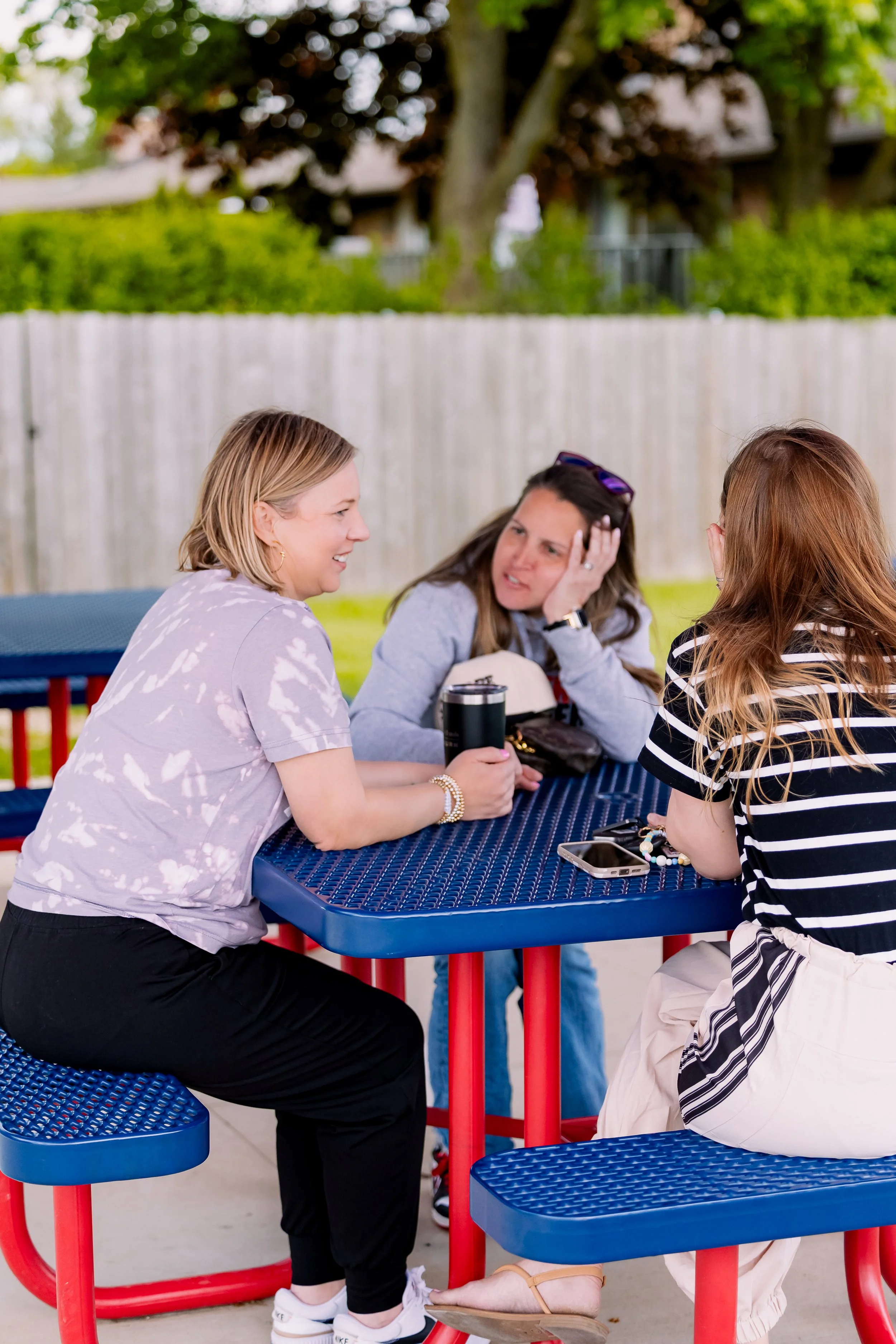
As a social worker, I've spent my career sitting beside families during some of the hardest moments of their lives. More often than not, the person carrying the weight of the family was a woman.
She was working.
She was raising children.
She was caring for aging parents.
She was navigating healthcare, school meetings, insurance paperwork, and trying to make the household budget stretch just a little farther.
These aren't just "women's issues."
They're family issues.
They're workforce issues.
They're economic issues.
They're community issues.
When child care costs force a parent out of the workforce, our economy feels it.
When women are paid less over the course of a career, families retire with less security.
When caregivers can't access affordable healthcare or paid leave, children, seniors, employers, and entire communities are affected.
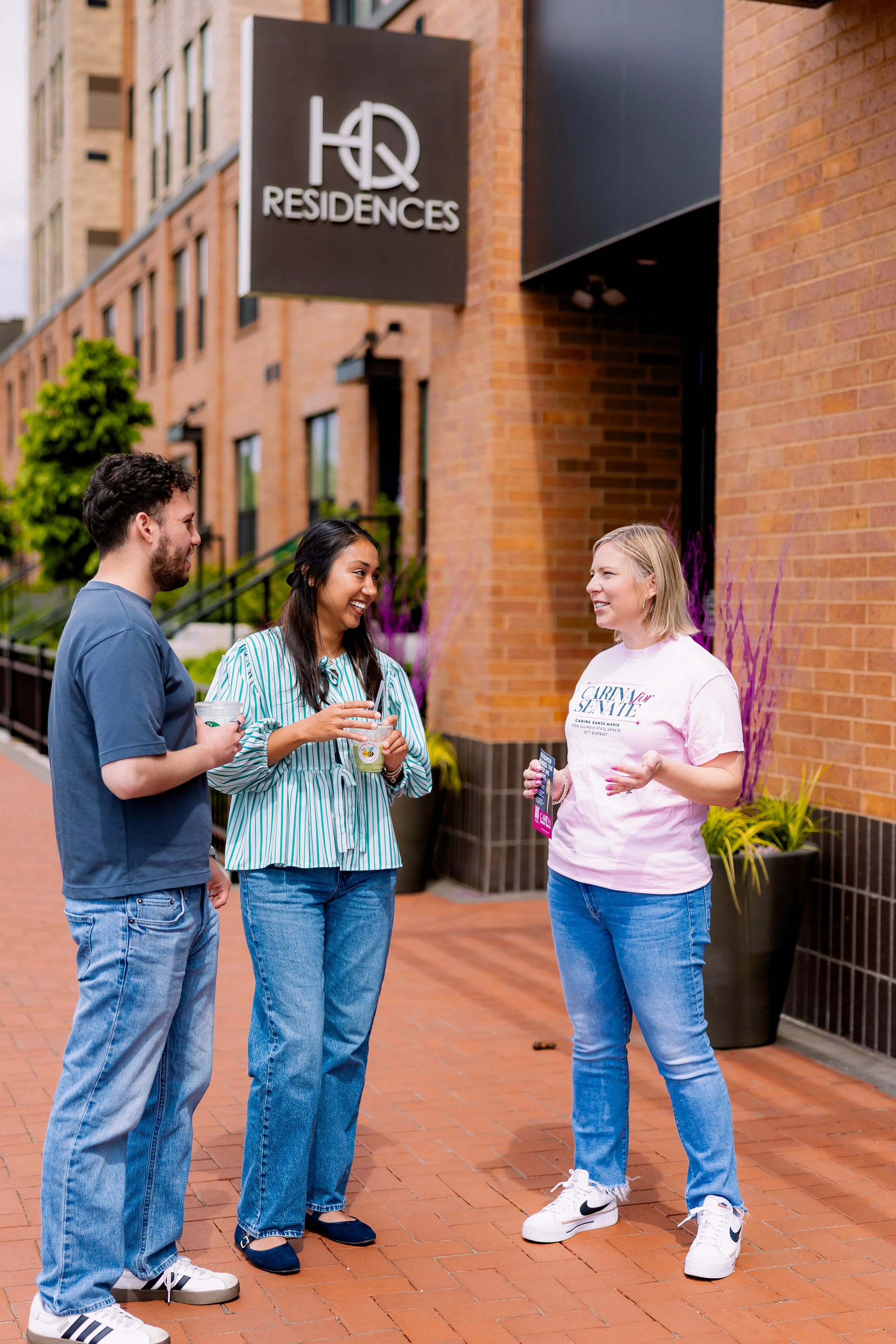
The work isn't finished because equality isn't measured by what the law says on paper. It's measured by whether opportunity exists in everyday life.
Can a family afford quality child care?
Can every student attend a well-funded public school?
Can someone recover from a health crisis without financial ruin?
Can every person—regardless of gender, race, disability, or ZIP code—fully participate in their community?
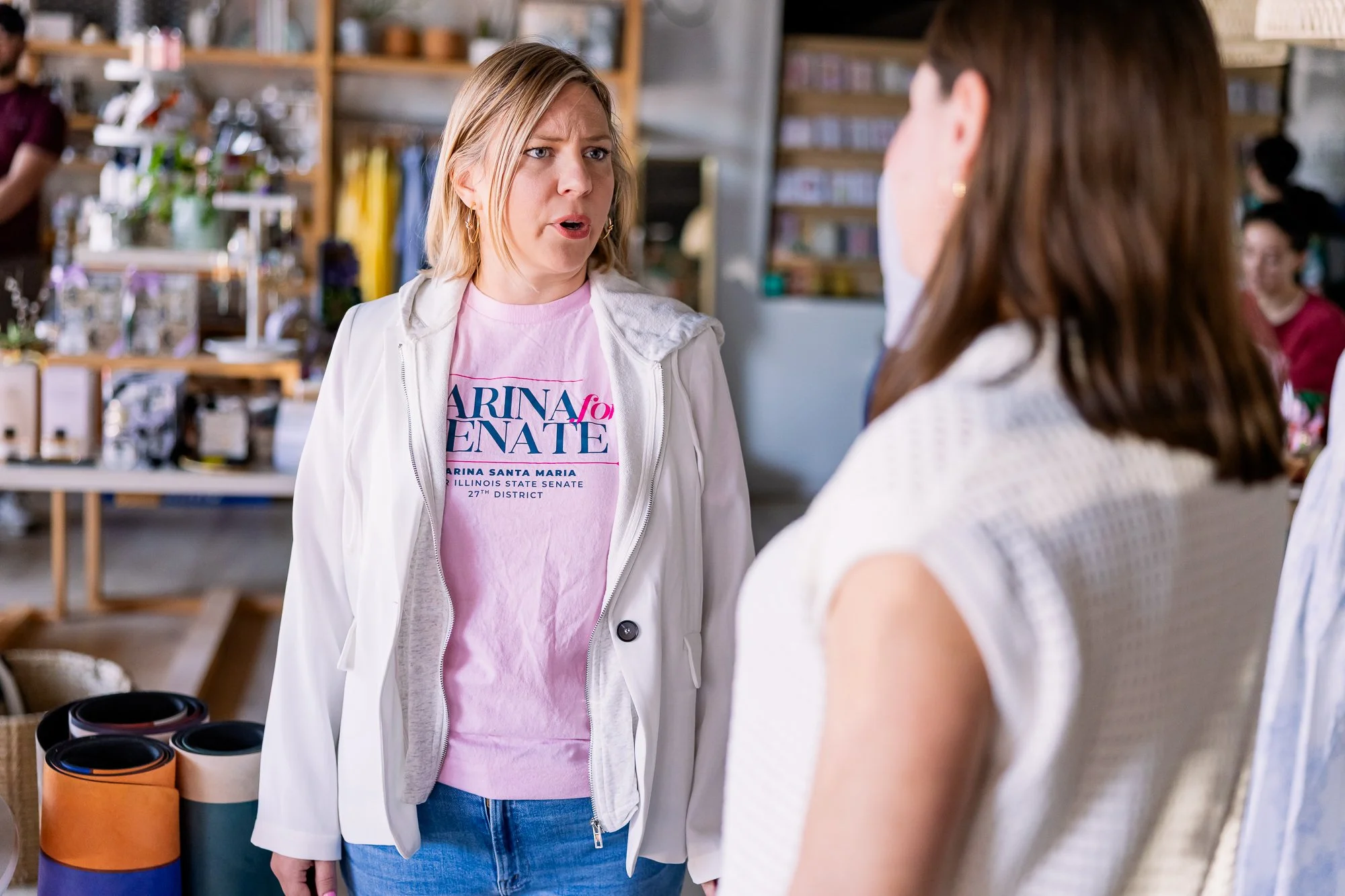
Those are the questions I carry with me every day. They're also why I'm running for the Illinois State Senate.
I believe public policy should expand opportunity, not limit it. I believe government works best when it helps remove barriers instead of creating them. And I believe every generation has a responsibility to leave the next one with more opportunity than it inherited.
Women's Equality Day isn't simply about looking back at what was accomplished in 1920.
It's about asking ourselves what future generations will say about us.
Will they say we protected opportunity?
Will they say we invested in families?
Will they say we kept moving forward?
I hope they will. Because history isn't finished. Neither is our work.
Let's keep showing up—for one another, for our communities, and for the generations that come next.
Thank you to everyone who continues to show up, speak up, and invest in the work of shaping our shared future. I’m deeply grateful to be on this journey with you.
Let’s keep going—because together, we’re stronger.

With gratitude,
Carina Santa Maria
Candidate for Illinois State Senate, District 27
