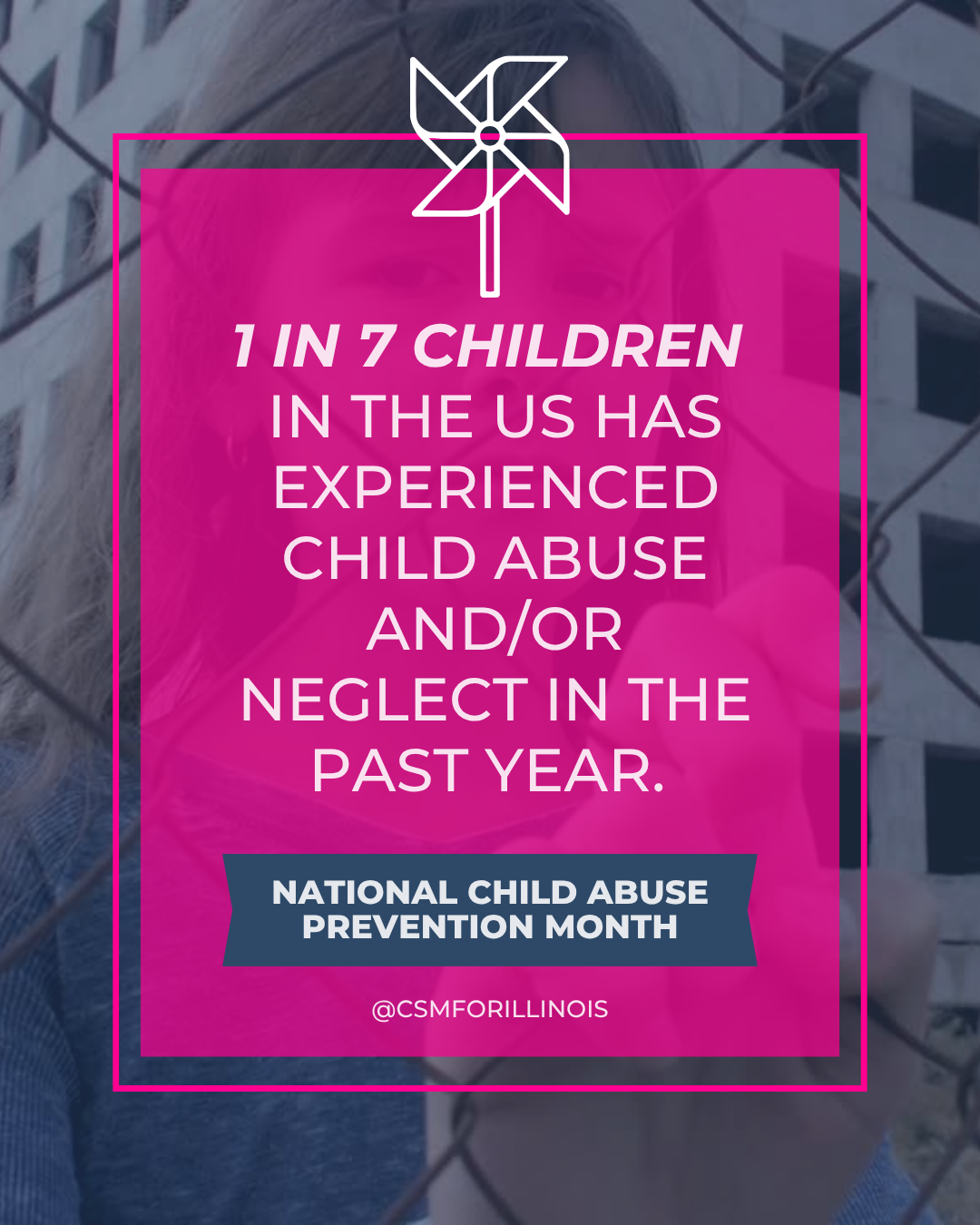
Every April, you start seeing blue pinwheels.
On lawns. In windows. On lapels. They're the symbol of Child Abuse Awareness Month — and they're meant to represent what every child deserves: a bright, spinning, carefree childhood.
I believe in that symbol. But I also know what happens when systems fail to protect it.
Before I was a candidate, I was a social worker. For years, I sat across from families in crisis.
I worked with children who had been hurt, neglected, or left without support by the very systems that were supposed to catch them. I filed reports. I attended court hearings. I coordinated services that were stretched too thin. I watched caseworkers carry impossible caseloads. I watched families fall through gaps that didn't have to exist.
That work shaped everything about how I see policy.
So when I say Child Abuse Awareness Month matters to me — I don't mean it as a campaign talking point. I mean it as someone who has held the weight of these realities in my hands.
What We're Actually Talking About
Child abuse and neglect are not rare edge cases. They are a public health crisis hiding in plain sight.
In Illinois alone, the Department of Children and Family Services receives hundreds of thousands of calls each year. Children are growing up in households strained by poverty, mental illness, substance use, domestic violence, and a chronic lack of support. Many of these families don't need punishment — they need services, stability, and someone to show up before things reach a breaking point.
That's not a soft position. That's what the research says. That's what frontline workers know. And that's what the data on prevention programs proves, again and again.
The blue pinwheel was actually designed to represent prevention — the idea that we can get ahead of harm before it happens. And yet, as a state, we still underinvest in the programs that prevent abuse and overwhelm the systems that respond to it after the fact.
We keep trying to mop up water with the faucet still running.


The Prevention Imperative
I've spent years advocating for prevention-first models — programs like Healthy Families Illinois, which connects new parents to in-home support and guidance. Programs like that don't make headlines. They just quietly keep families intact. They just quietly keep kids safe.
Research consistently shows that early intervention — home visiting programs, family resource centers, accessible mental health support, economic stability — dramatically reduces the risk of abuse and neglect. These are not radical ideas. They are well-documented, cost-effective, and humane.
But they require sustained funding. They require a legislature that understands that investing upstream saves lives and saves money downstream.
Right now, Illinois has a patchwork of programs that do real good — and chronic underfunding that limits their reach. There are waiting lists. There are workers burning out. There are families who needed help three months ago and still don't have it.
This is what I want to change.
What I'll Fight for in Springfield
As your State Senator, I will advocate for:
Funding prevention, not just response.More investment in home visiting programs, family resource centers, and community-based support — so families get help before a crisis, not only after.
Supporting the workforce.Caseworkers and social workers carry some of the hardest work in our state. They need livable wages, manageable caseloads, and real professional support. Burning out the people who protect children is not a child protection strategy.
Expanding wraparound support. Children who have experienced abuse don't just need safety — they need trauma-informed care, mental health access, educational stability, and caregivers who are supported. That means investing in foster families, kinship caregivers, and the youth aging out of care who need a real landing pad.
Fighting for families — not just against them.Most families caught in the child welfare system are not monsters. They are parents struggling under pressure — poverty, housing instability, untreated mental illness, domestic violence — without the support they need. The goal should be family preservation wherever it is safe, and reunification wherever it is possible. The goal should be children thriving.
Centering dignity in every policy conversation.This includes protecting undocumented and DACAmented families, who are often afraid to seek help because of immigration fears. No child should be unsafe because their family was afraid to call for support.
Why I'm Running
I ran for State Senate because I kept watching policy decisions get made by people who had never seen the inside of a family in crisis. I kept watching budgets get cut by people who had never watched a caseworker break down in a parking lot because she had no more services left to offer.
I am running because children in District 27 — and across Illinois — deserve leaders who understand what's at stake.
April is Child Abuse Awareness Month. But for the children and families I've worked with, every month is the month that decisions get made about whether they'll be okay.
I'm not running to raise awareness. I'm running to change what happens after it.
Thank you to everyone who continues to show up, speak up, and invest in the work of shaping our shared future. I’m deeply grateful to be on this journey with you.
Let’s keep going—because together, we’re stronger.

With gratitude,
Carina Santa Maria
Candidate for Illinois State Senate, District 27