
Black History Is Not Optional
February is Black History Month.
And let me be clear: this is not a symbolic acknowledgment. It is not a checkbox. It is not optional.
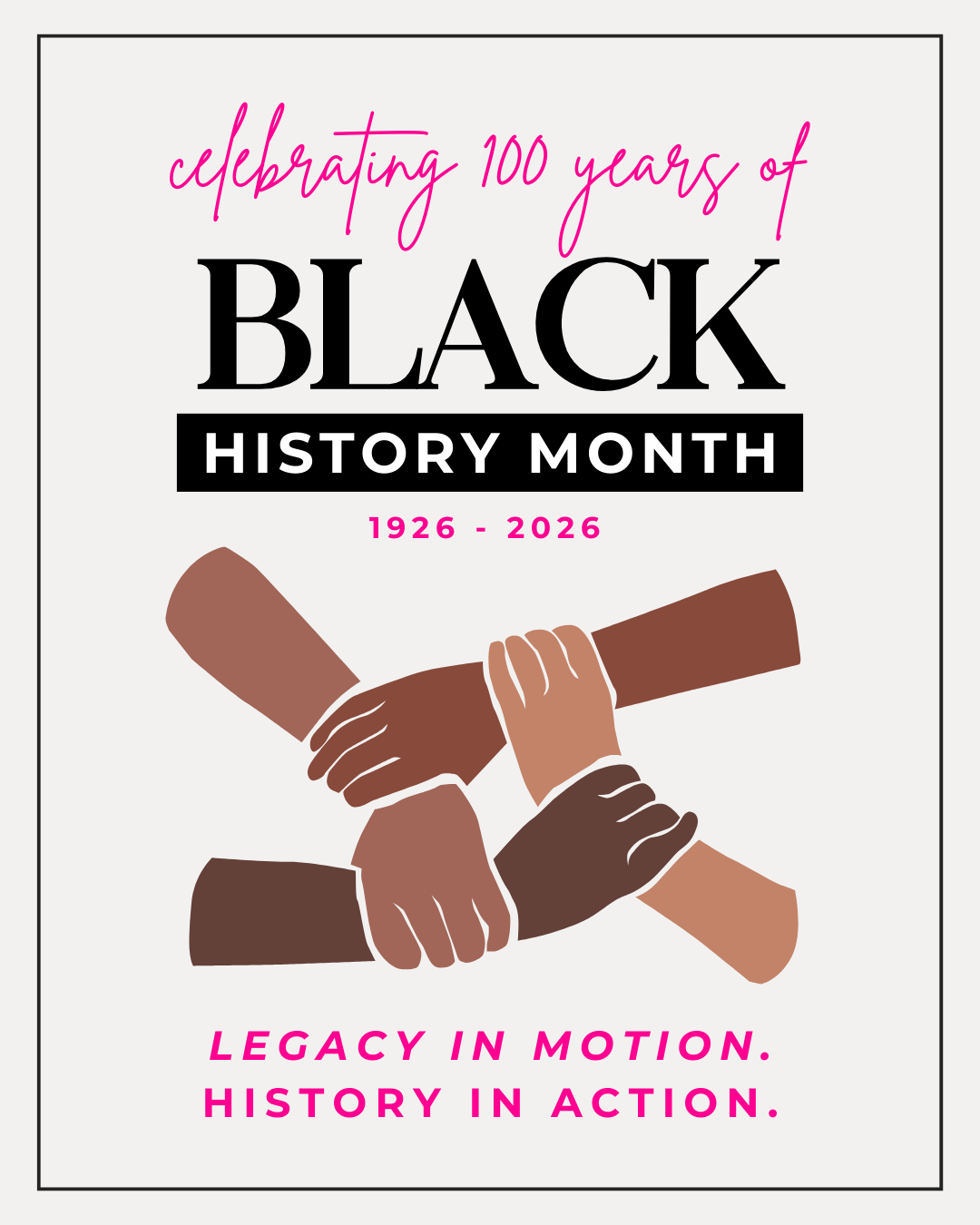
This year carries even deeper meaning. 2026 marks 100 years since Negro History Week was first established — a movement created to ensure that Black history would be studied, preserved, and honored in a country that too often ignored it. What began as a week became a month, and what began as a corrective effort became a national responsibility.
Black history is American history.
It is Illinois history. It is the history of labor, civil rights, culture, resilience, innovation, and resistance. It is the story of people who helped build this country while being denied full participation in it — and who organized, marched, legislated, educated, and voted so future generations could live more freely.
We have a duty not to shy away from that truth.
At a time when conversations about race, equity, and justice are being minimized or politicized, the responsibility to tell the full story of our shared history becomes even more urgent. Silence has never protected progress. Avoidance has never created justice.
As a licensed clinical social worker, as a Village Trustee, and as a candidate for the Illinois State Senate, I believe leadership requires courage — especially when it would be easier to stay quiet.
Recording our history honestly. Teaching it fully. Honoring the contributions of Black leaders in our communities. That is not divisive. It is foundational.
Black History Month is about more than reflection. It is about accountability.
It asks us:
Whose stories are we amplifying?
Whose voices are we protecting?
Whose opportunities are we expanding?
Progress in this country did not happen by accident. It happened because people demanded better — and because leaders were willing to act.
That work continues.
In the 27th District and across Illinois, honoring Black history means advancing policy that reflects its lessons. It means building an economy that works for working families — not just corporations. It means investing in fully funded public schools with inclusive, anti-racist curriculum. It means expanding mental health access and protecting reproductive rights. It means reforming systems of justice so they promote safety and dignity — not criminalization. It means protecting immigrant families and defending civil rights. It means ensuring that opportunity is not determined by zip code or skin color.
These commitments are not abstract ideals. They are reflected in the priorities of my campaign and the work I have done in public service. We cannot talk about history without addressing the systems that continue to shape outcomes today. Carina for Senate - Issues
We do not erase history.
We do not water it down.
We do not look away.
We tell the truth.
We honor those who came before us.
And we continue the work.
A century ago, leaders understood that preserving Black history was essential to preserving truth. One hundred years later, that responsibility remains. The question is not whether Black history matters — it is whether we are willing to honor it not just in words, but in policy and action.
Because the story is still being written — and we have a responsibility for what comes next.
Thank you to everyone who continues to show up, speak up, and invest in the work of shaping our shared future. I’m deeply grateful to be on this journey with you.
Let’s keep going—because together, we’re stronger.


With gratitude,
Carina Santa Maria
Candidate for Illinois State Senate, District 27